

 back
Technology is not a Panacea
back
Technology is not a Panacea
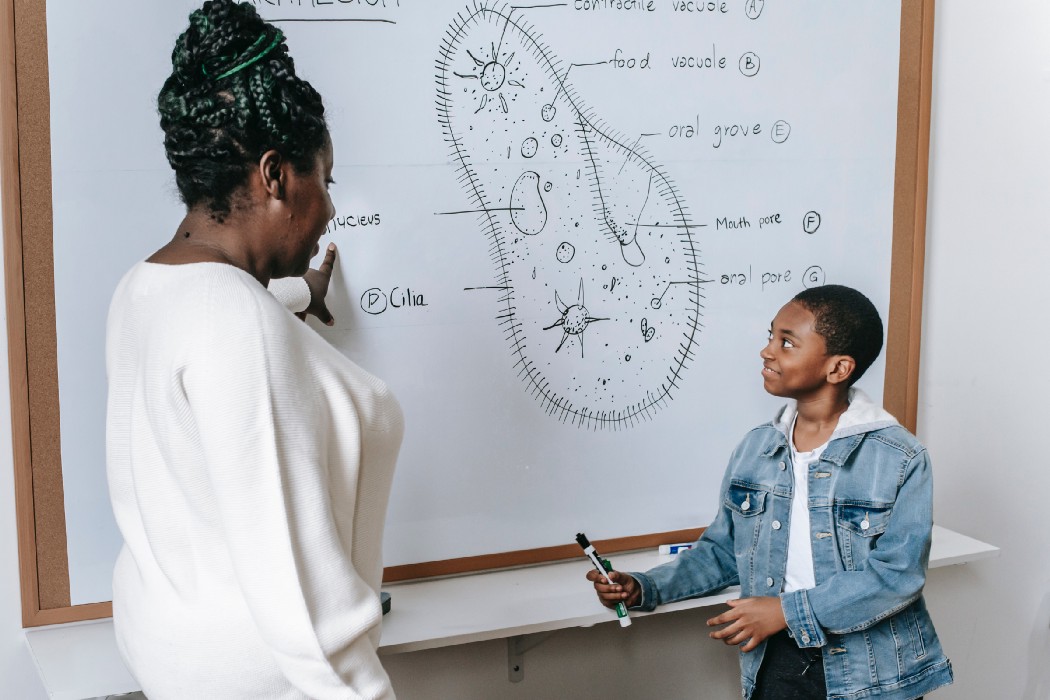
Aristotle said, “man is by nature a political animal” — central to
that idea was mankind’s innate desire to interact with one
another, learn with one another, and socialize with one another.
Some people argue that the age of social media has made this
possible, but on thorough inspection has it? Many proposed models
of learning require students to spend massive amounts of time in
front of their computer screens, which can cause physical and
psychological damage.
Though technology can aid a teacher to personalize a student’s
learning path and content, guide a teacher to provide help at the
right time, or help increase student engagement, it cannot and
will not replace educators because they don’t simply teach
concepts and skills, they inspire young students to be inquisitive
throughout their lives and start a cultural revolution, one which
sparks curiosity, which enables these students to have independent
thought processes and equips them with the power of knowledge.
Moreover, this stirs their enthusiasm and passion for learning.
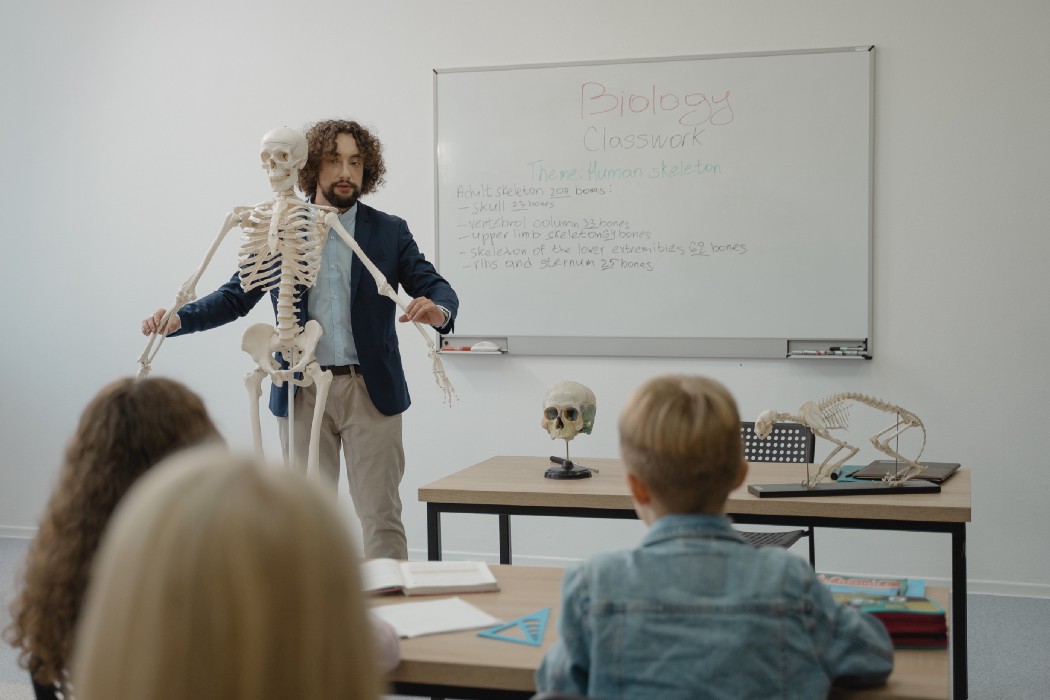
Thomas Edison predicted that by the year 1922, motion pictures
would revolutionize the face of education and would have changed
the way of learning in a classroom. Blackboards would have been
replaced with graphics and illustrations and live lectures would
have been replaced by movies and recorded lectures through online
classes.
As appealing as this sounds, in reality, it was not before the
1930s that even the radio transmission of information to
classrooms was a reality. Moving forward, in the 1980’s video
discs (giant CDs) were supposed to revolutionize education but
that did not happen. We see that it was in the 1990s that
education got a new makeover with the power of the internet.
The Internet has revamped education without a doubt. But does this
mean that the role of educators has been reduced or minimized?
That would be a hard no.
By now, we all have come across the headlines which rubric that
technology will be taking over the world including the field of
education. MOOCs (Massive online open courses) will make it
possible to learn anything from home. Well, that just isn’t going
to happen, and here is why!
Teachers go to all kinds of extremes to include all their students
and make the classroom an inviting and invigorating place. They
engage and energize students and know how to handle intrinsic
motivation. A teacher’s use of questioning to spawn critical
thinking and initiate deeper learning is something students can’t
miss out on.
No doubt technology could now conduct tests based on cognitive
capacities and tell us which careers would be perfect for us or it
can help personalize education, but can it push you like a
real-life teacher or mentor to achieve those goals and dreams and
materialize them? Again, a hard no.
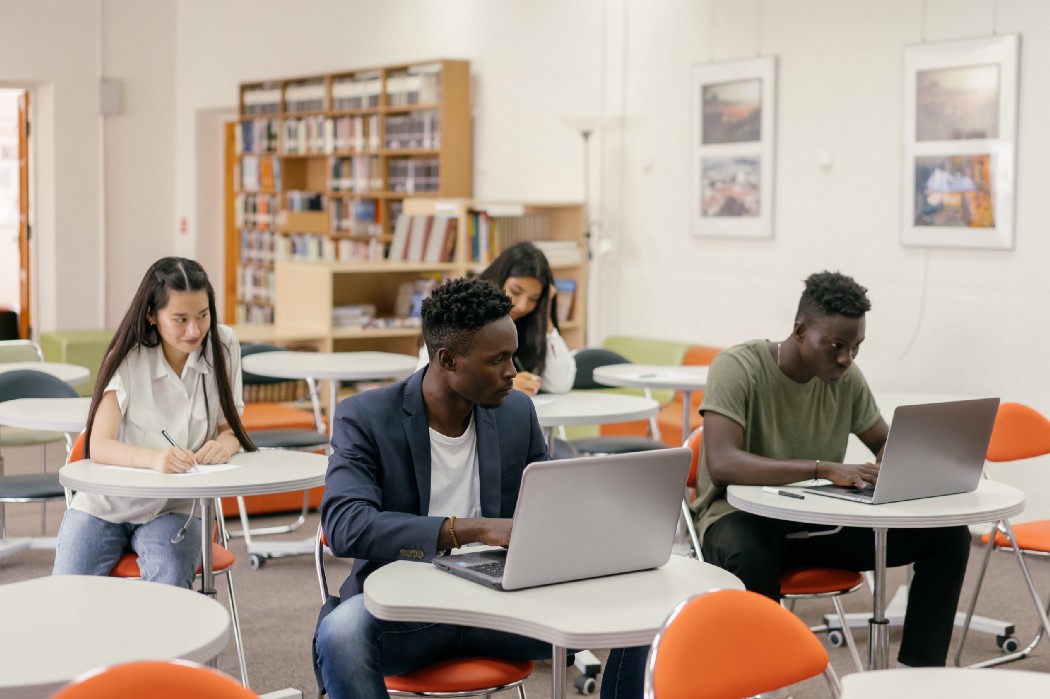
Questions like how is a motion graphics lesson better than a
static version has dominated educational research. There’s no
denying that animation is a powerful educational tool. What is
surprising, though, is that animation is often less effective than
a static graphic. Now, why do you believe this occurs?
This occurs because animations and motion graphics sleet and the
learner may miss important facts during the animation. A static
graphic, on the other hand, is not changing or transitory, making
it easy to understand. As a result, it may be deduced that the
most important part of education has less to do with what happens
in the learner’s environment and more to do with how the student
learns.
As Dan Donahoo explains in his article titled, Curating
Games-Based Learning, “Students don’t often learn directly from a
game, they learn from an experience that involves a game, some
activity around that, some critical thinking and engagement or
questioning from a teacher. Just as students don’t learn directly
from a textbook — the textbook is a tool that supports a teacher
to facilitate learning.”
No teacher can be replaced by technology and that is a fact we
must accept. The responsibility of a teacher is not only the
delivery of knowledge but guiding the process of education. The
roles that a teacher must play should be that of a leader,
motivator, and mentor providing adequate one on one mentorship and
career guidance.
Indeed, the initial purpose is the transference of knowledge, but
a teacher cannot be limited to a singular dimension. The priority
task for any teacher is to make the child feel that they are
appreciated, and they have their unique talents and
capabilities.
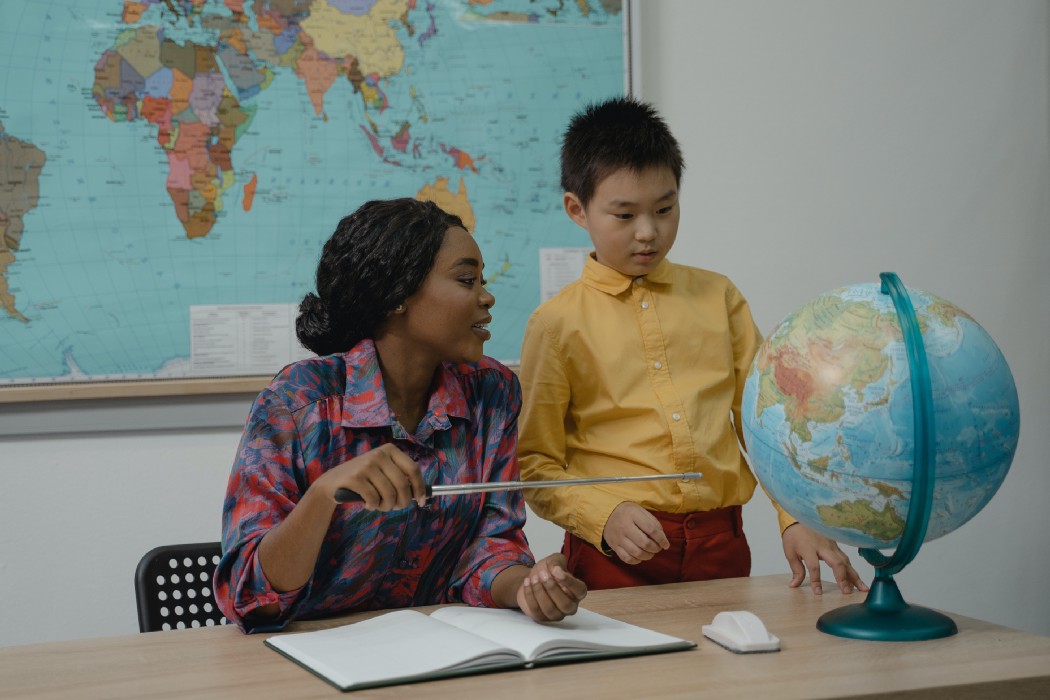
Why am I persistent on the proposition that educators and
tech-based learning innovations are not rivals but allies because
they cannot work without supporting each other like a marriage.
The technology builds the atmosphere and provides the tools to
make a marriage work and teachers come up with the “how-to’’ part
of the same. These teachers are the people deciding what, when,
where, and how to teach the young impressionable minds to get the
highest possible results ever.
Technology can help a person compartmentalize the tasks they have
in a day, but they cannot offer the support and motivation to
complete the same. It is equipped with the power of a massive
database that has terabytes of information, an amount of data that
cannot be registered with the human brain, but tech cannot offer
the mentorship that a person might need for the practical
application of the same information.
If I were to talk about the accomplishments of artificial
intelligence, it is indeed one of the strongest achievements of
mankind. However, it produces files and results based on previous
patterns which may have been exhibited by a small sample size of
the population. Hence, it can be concluded that AI is not prepared
to effectively manage the challenges of a growing student with
continuously evolving demands and problems. Having a synchronized
relationship between educators and technological tools is where we
are lacking in our education system at present.
Teachers do more than just the one-way task of instructing a
student. They identify social cues that would be impossible for a
machine to parse, especially non-verbal or invisible interactions,
that affect the learning experience. They help identify roadblocks
for students that might be more personal or emotional, that a
machine cannot pick up on. They help to contextualize lessons in
real-time, which might not be possible for a piece of technology
to do.
Think back to your favorite teacher — did you enjoy their teaching
because of their infallible library of knowledge or because of how
they made the subject they taught come alive for you? The human
connection is necessary for something as key as the act of
learning.
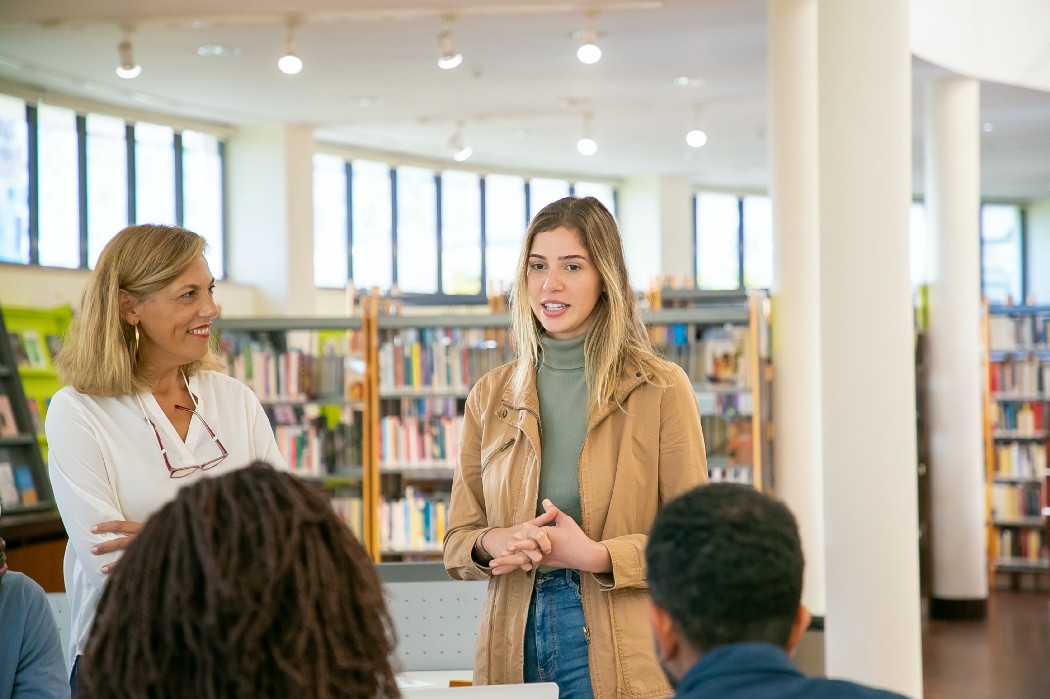
The pandemic has made us change in a lot of ways. One such
dimension that has faced a drastic change is education. The
classroom has moved online and is reduced to a mere feeling. This
has also led to the extinction of a personalized career guidance
system. Many university and college-going students have reported
the lack of a research-based curriculum, more so since the onset
of the pandemic. This leads to a reduction in the academic quality
of students and their potentials are not truly discovered. We are
witnessing a time when the students are yearning for more social
settings in learning.
The school administrations provide platforms that open different
channels of communication for teachers with students and their
parents. With this software, teachers can stay better organized
and on top of their game with reduced time and effort.
Education-based technologies help enhance the teaching-learning
methods rather than changing them. They help in the curation of
dynamic and interactive learning aid which was previously out of
the reach of teachers due to monetary and technological
constraints. Tech should empower and enable the educators, rather
than replace them.
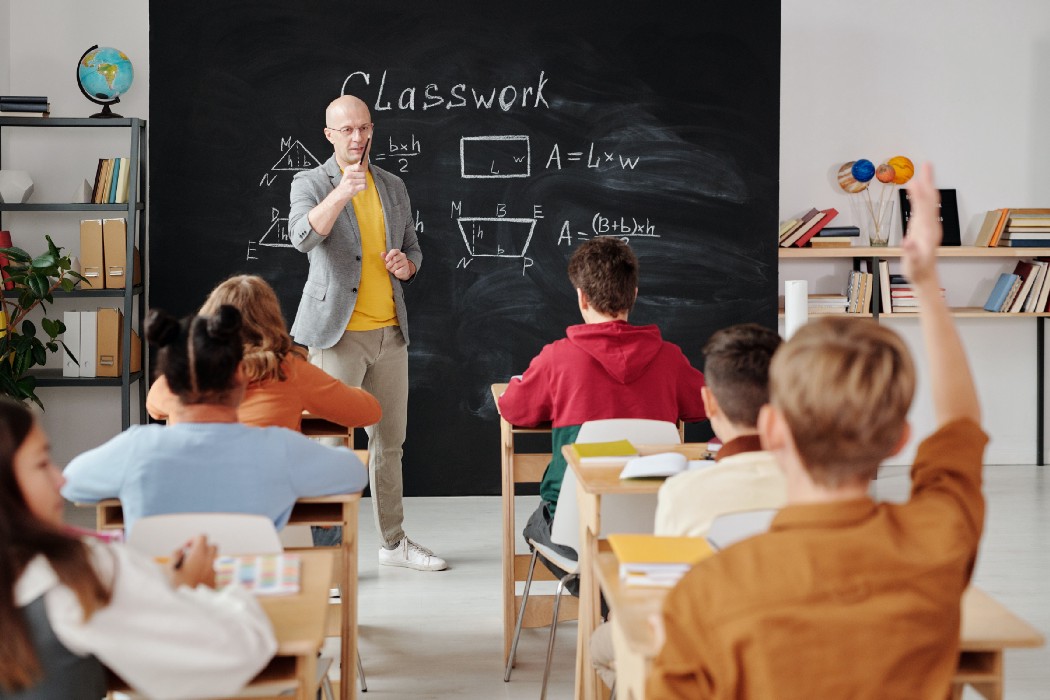
In the forthcoming decade, education is set to face a revolution.
People are becoming proactive about what education stands for. The
fantasy that many innovators nurtured in the past that new
learning tech would emerge out of massive data and predesigned
algorithms are the past decade. People are trying to build
classrooms that are personalized in which the educators are still
in charge but are well equipped with technological
advancements.
The future holds a system of learning wherein teachers will be
able to give their students an experience of shared adventures and
personalized support and feedback. This may happen with the help
of an algorithm in some scenarios, while in others, it’s just an
outcome of brilliant design.
According to Jessie Woolley Wilson, even the best instructor
cannot give personalized content to 30 kids in a classroom without
the use of technology. However, it has been discovered that
personalized learning technology that dynamically adapts to
students’ needs while providing real-time insight into their
progress enhances a student’s accomplishment tremendously.
Personalized learning technology provides extra support for
teachers, allowing them to spend less time researching for
specific lessons and more time on the art of teaching.
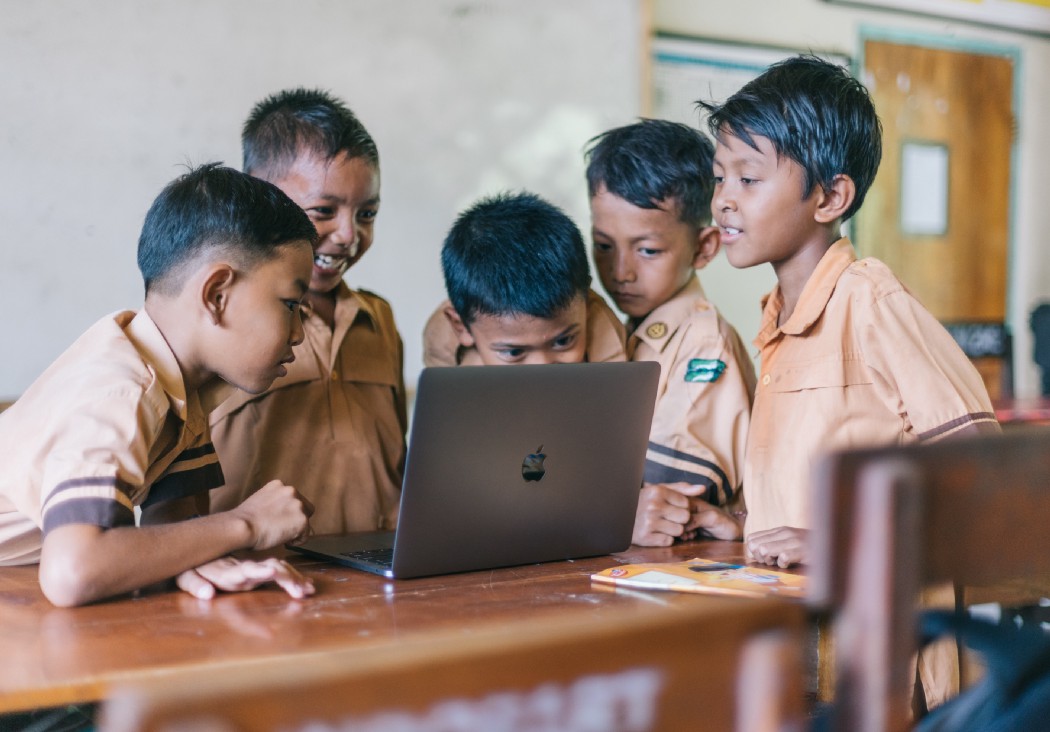
Blended learning (a marriage between technology-based innovations
and educators), focusing on one-to-one mentorship and building a
community to be able to present a state of the art system-based
educational changes which profit all educators and students is the
only way forward into the future.
Blended learning implies the building and setting up of tech labs
integrated with the latest innovations in technology with the help
of the massive amounts of data that is available on the open
sources and the data libraries on the internet and capable and
enthusiastic educators willing to help these children’s lives by
being the mentors and guidance figures they need. It is through
this teamwork and harmony that education for the next-gen can be
made fun and possible.